
Summer is a busy time in rural communities. Whether you’re working in the fields, caring for livestock, mowing the lawn, or enjoying time outdoors with family, spending more time in the heat can increase your risk of heat-related illness. As temperatures climb in July, it’s important to recognize the signs of heat illness and take simple steps to stay safe.
With a little preparation, you can enjoy everything summer has to offer while protecting your health.
 Understanding Heat-Related Illness
Heat-related illnesses occur when the body is unable to cool itself effectively. High temperatures, humidity, physical activity, and dehydration can all contribute to conditions such as heat exhaustion and heat stroke.
Heat exhaustion often develops gradually and may include heavy sweating, muscle cramps, dizziness, headache, nausea, weakness, or cool, clammy skin. If left untreated, it can progress to heat stroke, a life-threatening medical emergency. Symptoms of heat stroke include a body temperature above 103°F, confusion, hot or dry skin, rapid heartbeat, and loss of consciousness. If you suspect someone is experiencing heat stroke, call 911 immediately.
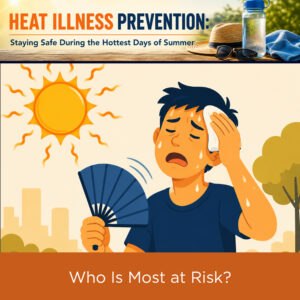 Who Is Most at Risk?
While anyone can develop a heat-related illness, certain individuals are at greater risk. Older adults, young children, people with heart disease or diabetes, and those taking certain medications may have more difficulty regulating body temperature.
In rural communities, farmers, ranchers, construction workers, landscapers, and others who spend long hours outdoors should take extra precautions. Even experienced outdoor workers can become overheated if they don’t stay hydrated or take breaks during extreme heat.
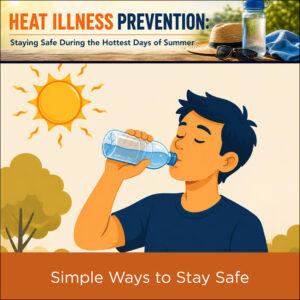 Simple Ways to Stay Safe
Preventing heat illness starts with a few healthy habits. Drink water regularly throughout the day, even if you don’t feel thirsty. Wear lightweight, light-colored clothing and a wide-brimmed hat to help protect yourself from the sun. Whenever possible, schedule outdoor work during the cooler morning or evening hours and take frequent breaks in the shade or an air-conditioned space.
It’s also important to check on neighbors, older family members, and anyone who may be more vulnerable during periods of extreme heat. A quick phone call or visit can make a meaningful difference.
 Know When to Seek Medical Care
If symptoms of heat exhaustion do not improve after moving to a cool location, drinking water, and resting, seek medical attention promptly. Heat stroke is always a medical emergency and requires immediate treatment.
By recognizing the signs of heat illness and taking preventive steps, you can stay healthy and active all summer long. Your local healthcare team is here to help you enjoy a safe, healthy season close to home.